DIY Campus “Nature”
Designing for greater biodiversity on campus
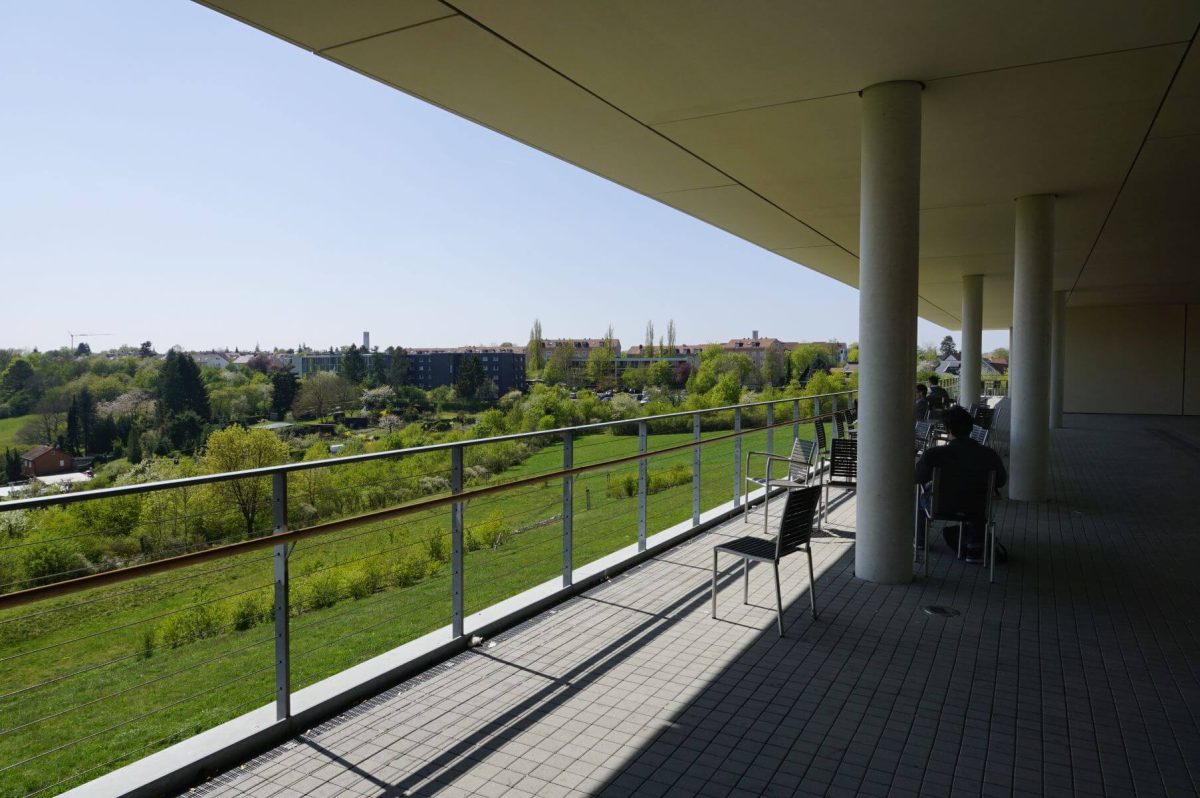
How can design contribute to greater biodiversity on our campus? In this three-day workshop, we will first learn about regional biodiversity, habitats, plants, and ecological relationships. Dr. Sarah Redlich, from the Department of Animal Ecology, Tropical Biology, and Biocenter at the University of Würzburg, will give us an introduction to biodiversity at Hubland and explain what is important during a walk along the biodiversity trail. We will then ask how more habitats for plants, insects, and birds can be created on our campus and develop micro-interventions for this purpose.
The workshop is aimed at students who are interested in nature conservation and DIY culture, as well as those who want to leave a visible mark on our campus and enjoy practical work. The design and construction phase could result in prototypes for nesting boxes, insect hotels, or mobile planters, for example. In addition, a selection of biodiversity-promoting species could be chosen and planted. Creative innovations are expressly encouraged.
The workshop combines ecological awareness, concept development, and hands-on experience, demonstrating how design can not only communicate but also create concrete habitats.
Dates:
Friday, May 8, 2026, from 10:00 a.m. to 4:00 p.m.
Friday, May 22, 2026, from 10:00 a.m. to 4:00 p.m.
Friday, June 19, 2026, from 10:00 a.m. to 4:00 p.m.