colour politics
Investigating the mechanisms of colour through our body coverings
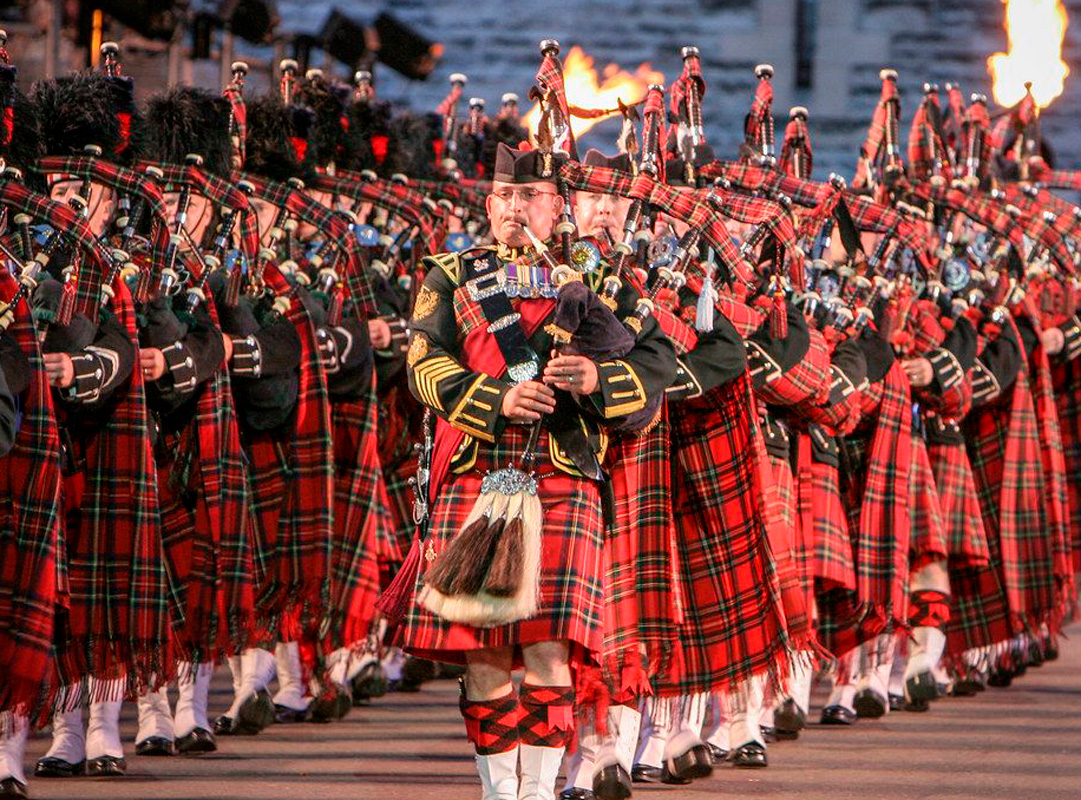
„ We are all experts in the language of clothing “
„The clothes we put on every morning can lock us in acquiescence to the structures of power that we find so crushing. If we were to pay more attention to our thinking through clothing, we could begin to wriggle loose.”
Charlie Porter, Bloomsbury and the Philosophy of Fashion, London 2023
When we show our colours, it can become political. In the study of the construction of power structures and hierarchies in human history, colour is often used as a tool to visualise power, mobilise political goals and position social oppression. For example, the object colour pink was used for gender construction, and social hierarchies were constructed via skin colour.
There is good reason to take a closer look at colour codes in our living environment, our body enclosures, from the textile cover of our identity to spaces surrounding us.
In a laboratory of short projects, inspired by lectures and debates, we want to contrast the interpretation and symbolism of colour in diverse realms with biological reactions to colour. Body coverings become a field of experimentation for investigating the mechanisms of colour. For example, what effect is the colour red used for and what physical reactions does red trigger?
We want to recognise design in its responsibility and embrace fashion activism as a means of changing narratives, using its communicative potential to stimulate reflection, initiate discourse and inspire social change. In the creation of prototypes, we will also address the question of how colour is produced. In the creation of prototypes, we will also address the question of how colour is produced. Sustainable textile dye is a new field in the fashion industry that contradicts mass production and refers to sustainable manufacturing methods.
In the final project, life-size prototypes will be created and presented in a performance show. In the production of a joint catalogue documentation, the focus will be on the perception of analogue colour in comparison to colours of light in digital design, and what challenges arise when transferring to analogue media such as print?
Consultation appointment for this course on 10 March 2026 at 11 a.m. at the following link:
patricia.hepp@lehrbeauftragte.fhws.de invites to Zoom-Meeting:
https://thws-de.zoom-x.de/j/64594615992?pwd=76Tre1XxShUvCJsGqsKPBFbNBNiFCp.1
Meeting-ID: 645 9461 5992, Kenncode: 562668