SHIFT
Samira Wirtz

SHIFT – Design practice between criticism of discrimination and participation
FORMS ARE MORE THAN JUST FUNCTIONAL: THEY FRAME, SORT, AND STRUCTURE PERCEPTION. THEY DECIDE WHAT BECOMES READABLE — AND WHAT REMAINS INVISIBLE.
WHAT WE SEE – OR DO NOT SEE – IS THE RESULT OF VISUAL ORDERS THAT SEEM SELF-EVIDENT TO US, BUT ARE DEEPLY ANCHORED IN SOCIAL AND CULTURAL INTERPRETATION PROCESSES. DESIGN FUNCTIONS AS A SEMANTIC SYSTEM: IT ENCODES, EVALUATES, AND GUIDES.
Design is not neutral: it shapes realities, influences perceptions, and contributes to the (re)production of social structures. Against this backdrop, the master’s thesis SHIFT focuses on the social responsibility of design. At the heart of the design debate is the tension between criticism of discrimination and participation: on the one hand, it is about making existing power relations and discriminatory structures visible and reflecting on them critically. On the other hand, it is about accepting the challenge of designing design processes that are accessible, collaborative, and sensitive to power.
Based on this, the thesis examines the extent to which design interventions—especially in the context of workshop-like, processual formats within design education—can contribute to the teaching of diversity competence and discrimination-sensitive attitudes. The resulting tools provide impetus for a holistic transformation of design practice.
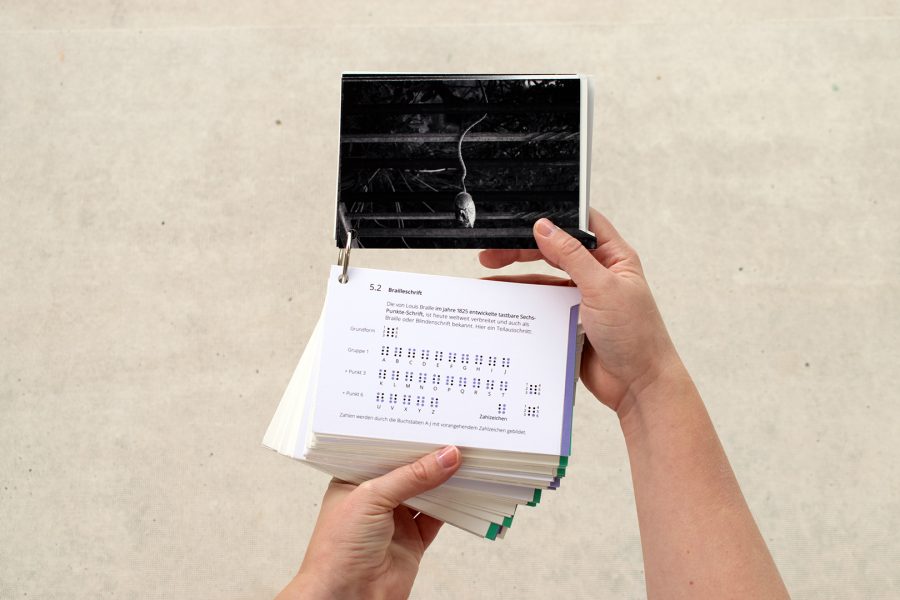
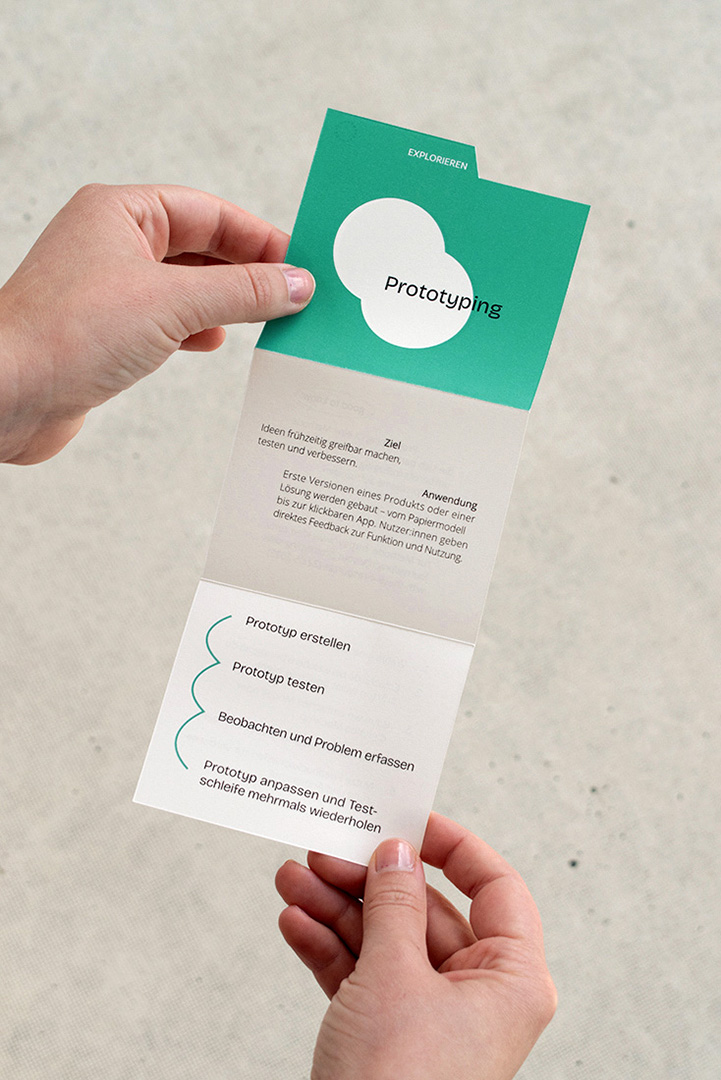
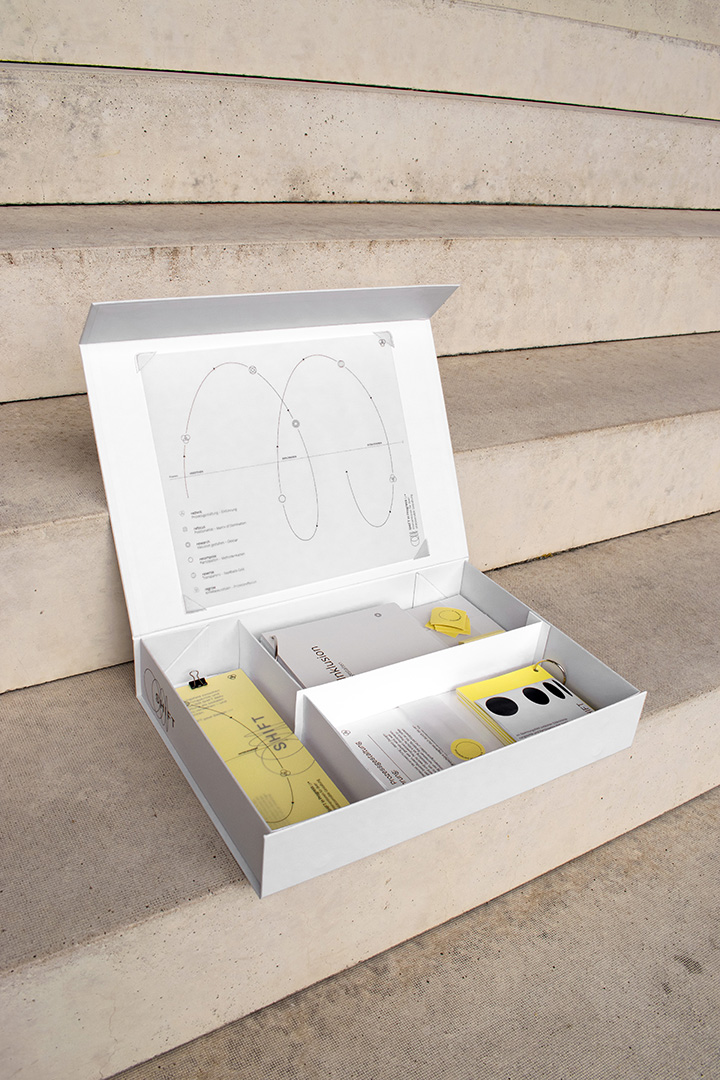
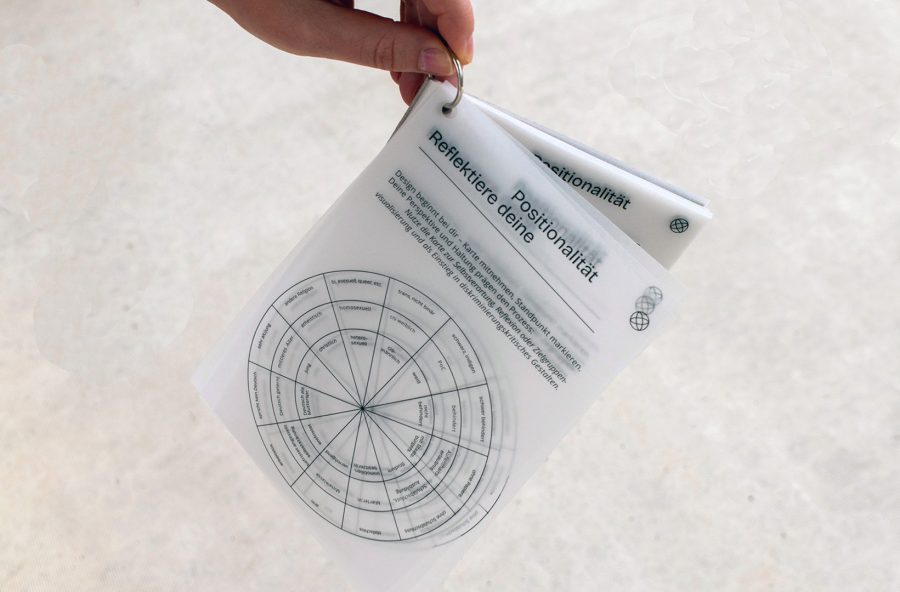
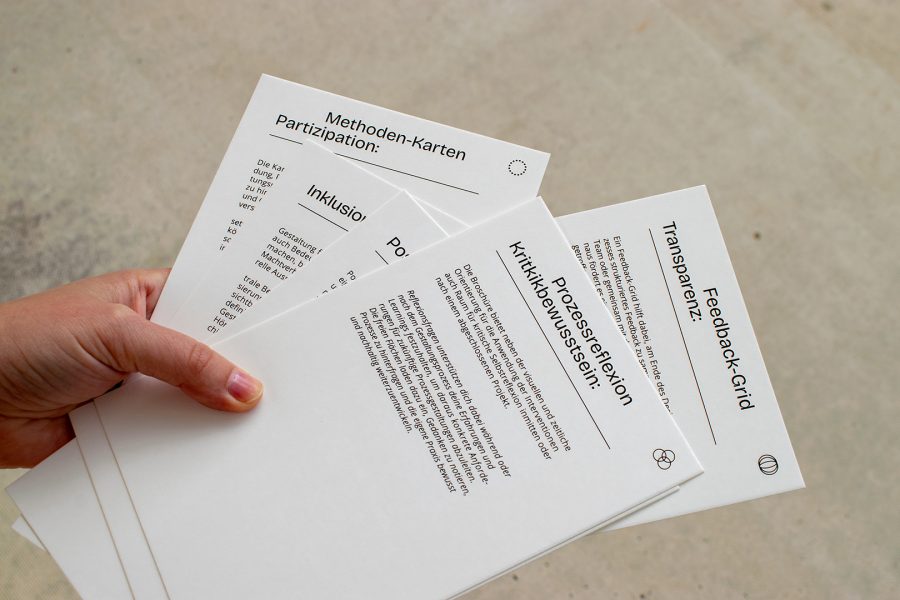
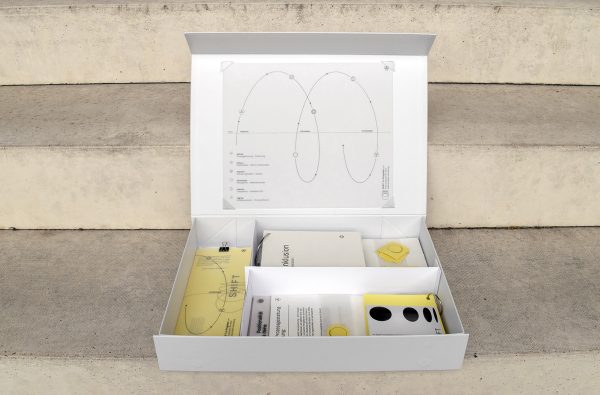
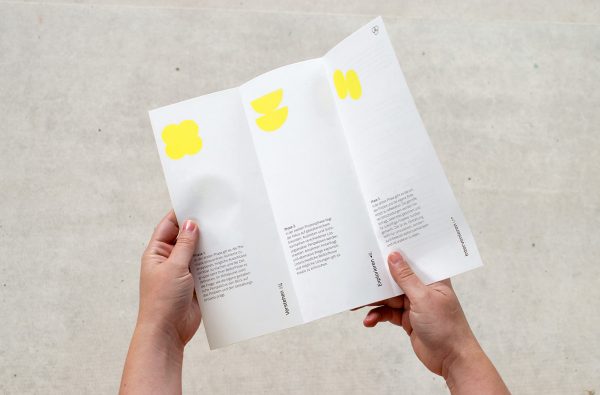
The work combines various theoretical perspectives—from discrimination-critical design, diversity studies, and participatory design—and critically examines them. The theoretical discussion and a phase of creative experimentation gave rise to SHIFT, a box for design students that contains six interventions for diversity-sensitive design. The tools can be used as methodological tools within design processes.
SHIFT understands design not only as an aesthetic practice, but also as a social and political process. The interventions are intended to make designers aware of their creative actions and attitudes, encourage self-reflection, and help to anchor discrimination-sensitive perspectives in both design education and practice. SHIFT points to the necessary change of perspective in design practice: away from normative, exclusionary design patterns—towards a reflexive, inclusive attitude that questions structural conditions and considers marginalized perspectives. The project includes an attempt to understand design not as a finished form, but as a movement—towards a critically reflexive, power-sensitive design practice.
“Design is—today—a constitutive moment of what makes our world a human world.”
– Daniel Martin Feige, 2019